

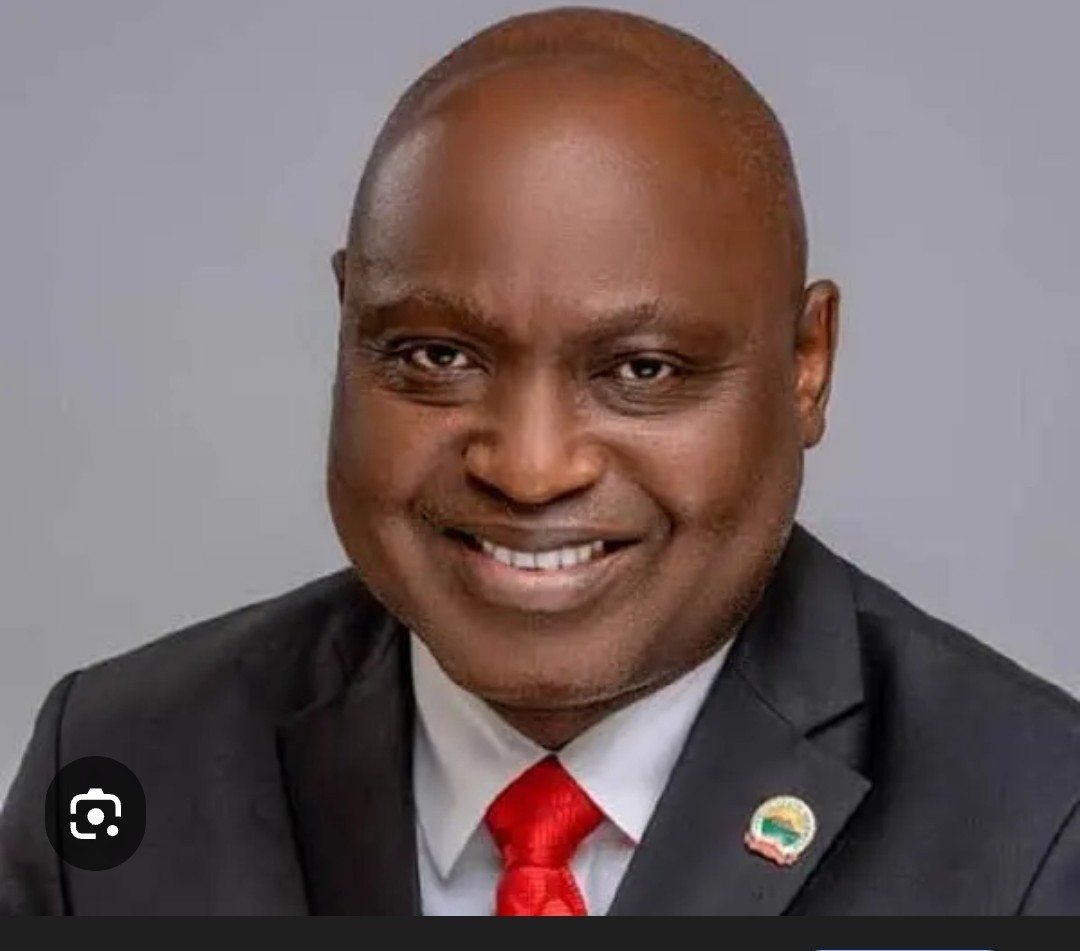
OYEBANJI: Trust and Performance Driving Second-Term Momentum
By Wole Olujobi
Ekiti State is once again at a defining moment as voters prepare to elect a governor who will lead the state from October 16, 2026, to October 16, 2030. At the center of this political season is the incumbent governor, Biodun Abayomi Oyebanji, whose bid for a second term appears to be gaining strong momentum amid a weakened opposition landscape.
Oyebanji’s growing acceptability among Ekiti people is widely attributed to a combination of trust, performance, and grassroots connection. From the onset of his governorship ambition in December 2021, when he obtained his nomination form at the APC National Secretariat in Abuja, his candidacy resonated with many across the state. His return to Ekiti was marked by a large, enthusiastic reception from supporters who lined major roads in a show of solidarity—an early indication of the broad-based appeal that would shape his political journey.
Over the past three and a half years, Oyebanji has built on that initial goodwill through what supporters describe as purposeful and inclusive governance. His administration’s six-point agenda has driven initiatives across key sectors, including education, healthcare, agriculture, social investment, infrastructure, and security. These efforts, combined with his emphasis on accessibility and humility, have strengthened his relationship with the grassroots.
A notable milestone under his leadership is the operational takeoff of the Ekiti State Cargo International Airport, which has positioned the state within Nigeria’s aviation and economic landscape. In addition, Ekiti has been recognized by the Federal Government as one of the leading states in ease of doing business, placing it alongside economic frontrunners such as Lagos, Kaduna, and Ogun.
Beyond infrastructural and economic strides, Oyebanji has also prioritized political stability. His leadership style, often described as accommodating and unifying, has helped ease longstanding political tensions in the state. By fostering collaboration across party lines, he has contributed to a more peaceful and cohesive political environment.
Supporters argue that this atmosphere of stability, combined with visible development efforts, has elevated Oyebanji’s profile and reinforced public confidence in his leadership. They contend that his governance reflects not just political ambition but a broader commitment to service and collective progress.
As the June 20 election approaches, the governor’s campaign is anchored on consolidating existing achievements while expanding development opportunities across the state. While opposition voices remain part of the democratic process, the prevailing sentiment among his supporters is that Oyebanji’s record positions him strongly for re-election.
Ultimately, the forthcoming poll is expected to test the depth of public trust in his administration. For many observers, Oyebanji’s emphasis on transparency, inclusiveness, and performance will be central factors as Ekiti voters decide the state’s political future.
With the election drawing near, the stage is set for what could be a significant moment in Ekiti’s democratic journey—one that will determine whether continuity and consolidation of current policies will define the next phase of governance in the state.
Leave feedback about this