

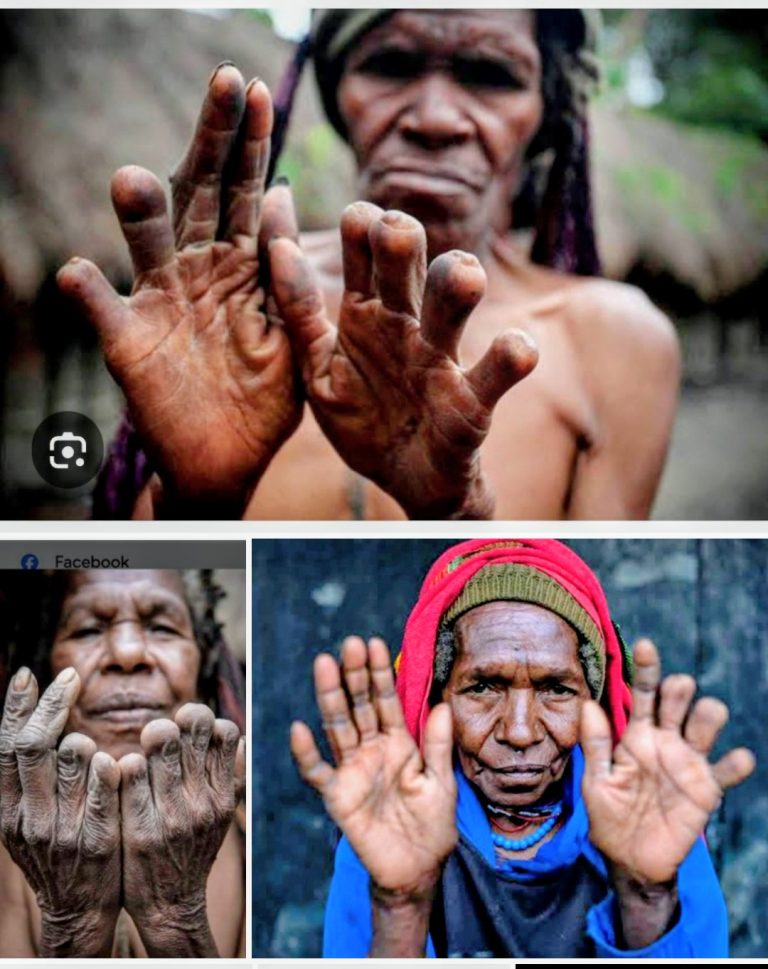
Dani Tribe’s Painful Mourning Tradition: When Grief Meant Losing a Finger
For centuries, communities around the world have developed unique customs for mourning the dead. While some wear black, shave their heads or observe elaborate funeral ceremonies, the Dani people of Papua, Indonesia, once had a far more painful way of expressing grief — the amputation of fingers.
The Dani, who live mainly in the remote highlands of Papua, particularly around Wamena, traditionally practised a mourning ritual in which members of a bereaved family, especially women, had portions of their fingers removed following the death of a loved one.
The practice was deeply connected to the tribe’s spiritual beliefs about death, grief and the relationship between the living and the dead.
Historical accounts indicate that finger amputation was performed as a physical manifestation of intense sorrow. The Dani believed that the pain associated with losing a loved one could be symbolically represented through physical suffering.
The ritual was also linked to beliefs surrounding the spirits of the dead. According to accounts of the tradition, the Dani feared that the spirit of a deceased person, particularly someone regarded as powerful or influential, could remain restless and cause trouble for those left behind.
Finger cutting was therefore seen as part of a process of appeasing the spirit and protecting the surviving members of the family.
Women and children were reportedly the main victims of the practice. In some historical accounts, even young girls were subjected to it, while a smaller number of older men were also said to have participated.
The procedure itself was reportedly carried out using rudimentary methods. A cord was tied tightly around the upper portion of a finger for a period of time to restrict blood flow and reduce sensation before the affected portion was cut off by a close relative.
For the bereaved, the physical wound became a permanent reminder of the person they had lost.
Over time, however, the practice was prohibited by authorities and gradually declined. It is no longer regarded as a common mourning practice among the Dani.
Despite its disappearance, traces of the tradition remain visible among some elderly Dani women, whose hands bear scars from a custom that once formed part of their community’s response to death.
Today, the story of the Dani finger-cutting ritual offers a striking glimpse into the diversity of human traditions surrounding grief. It also highlights how beliefs about death, spirituality and remembrance can produce mourning practices that are vastly different from those familiar in other parts of the world.
For the Dani of earlier generations, grief was not merely something to be expressed through tears or funeral ceremonies. It could leave a permanent mark on the body — a painful symbol of love, loss and remembrance.
Leave feedback about this